Leading specialist of the Dendrology Garden Public Legal Entity (PLE) was on a business trip to Lachin district
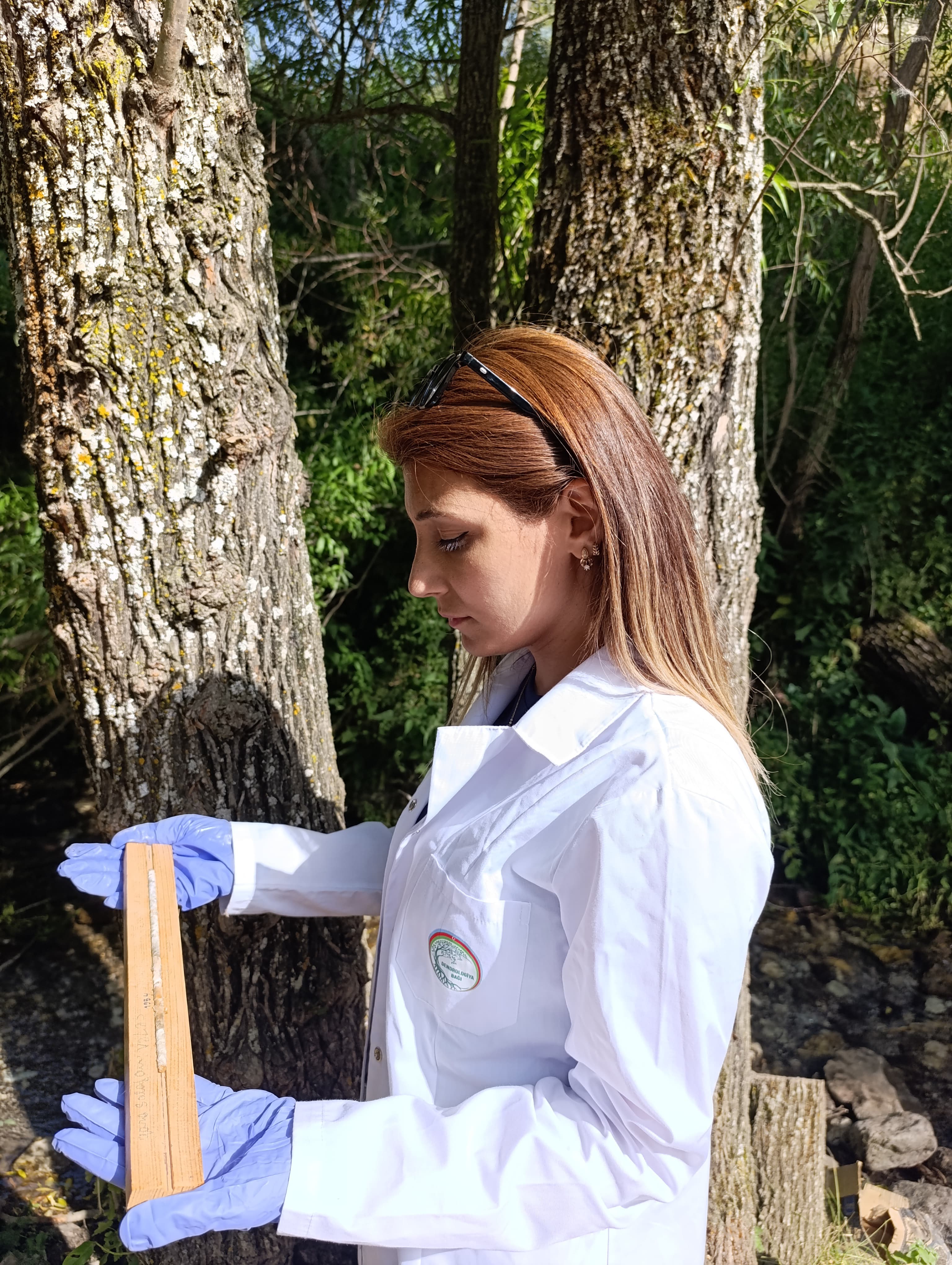
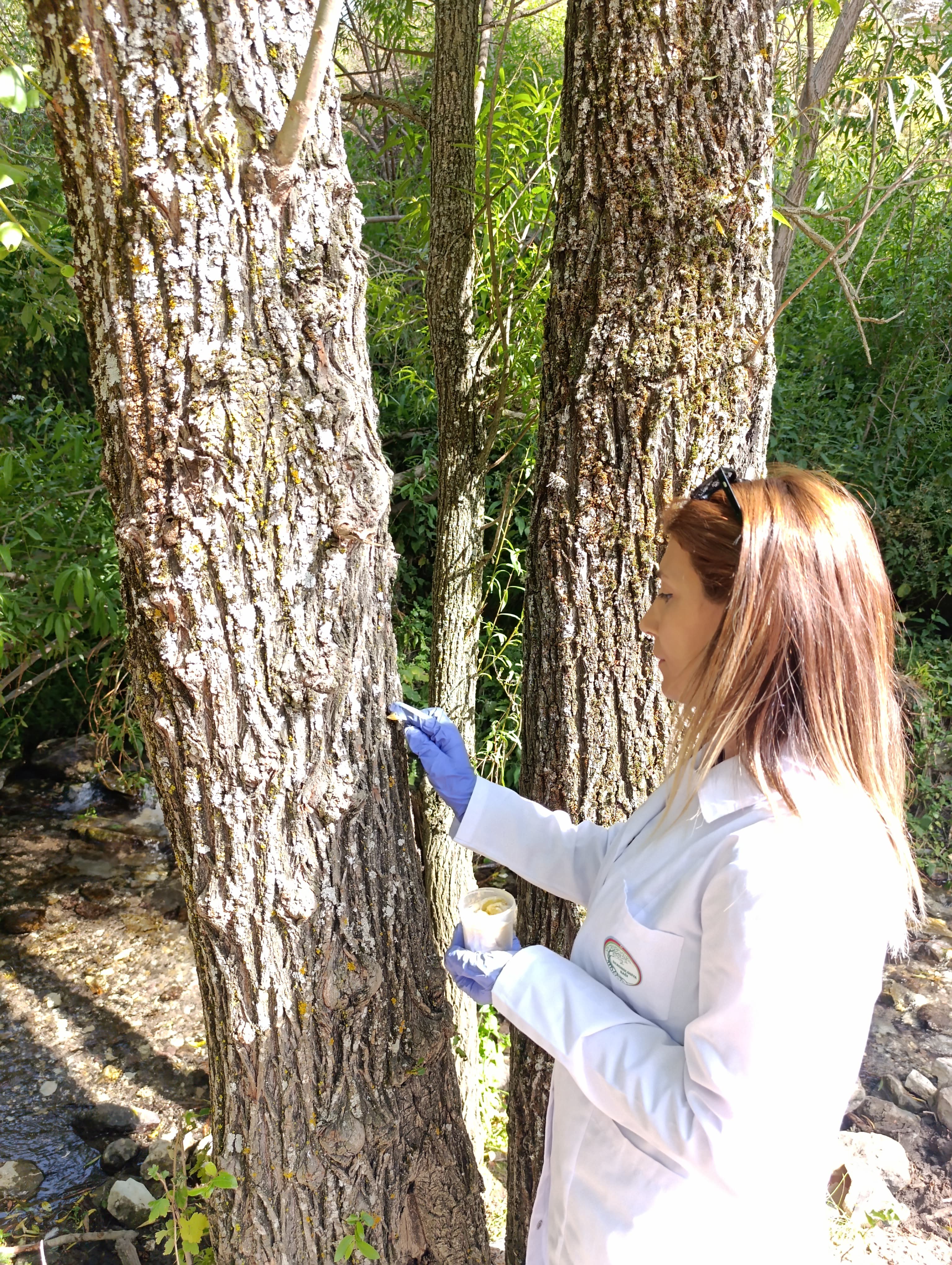
Shalala Mammadova, leading specialist of the “Dendrochronology”Laboratory of the Dendrology Garden Public Legal Entity (PLE) under the authority of the head of the Executive Power of Baku City, was on a business trip to Lachin district on 21-25 July, 2025, in connection with the “Study of the bioecological characteristics of the oldest species distributed in the Eastern Zangezur economic region and dendrochronological research”.
Field research in the area began on 21 July.
At the initial stage of the research, the basic aim was to study some species that have developed widely and formed forest cover in the lower borders of subalpine meadows, where special forest covers spread throughout the territory of Lachin district, in accordance with a previously prepared plan-program.
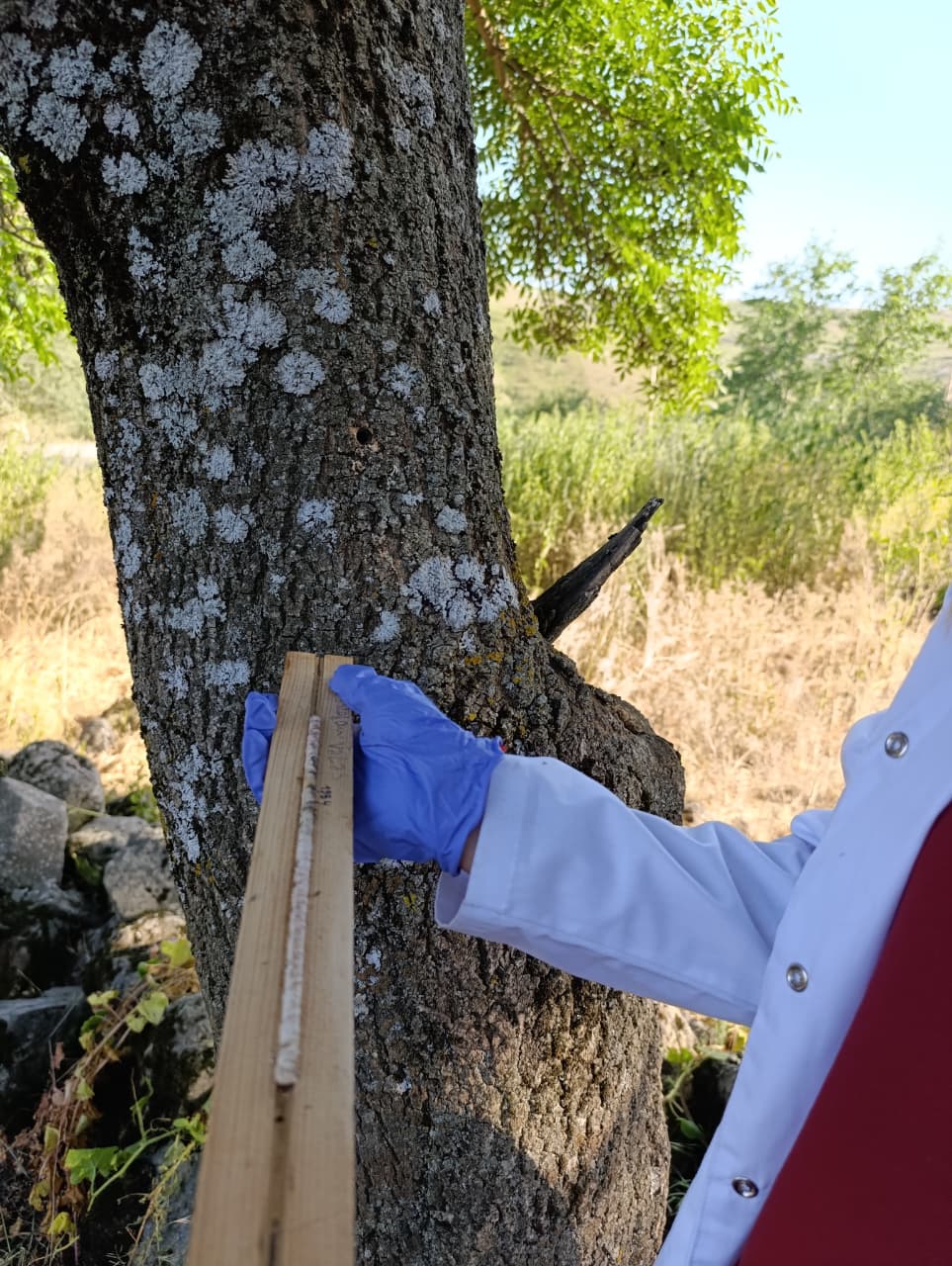
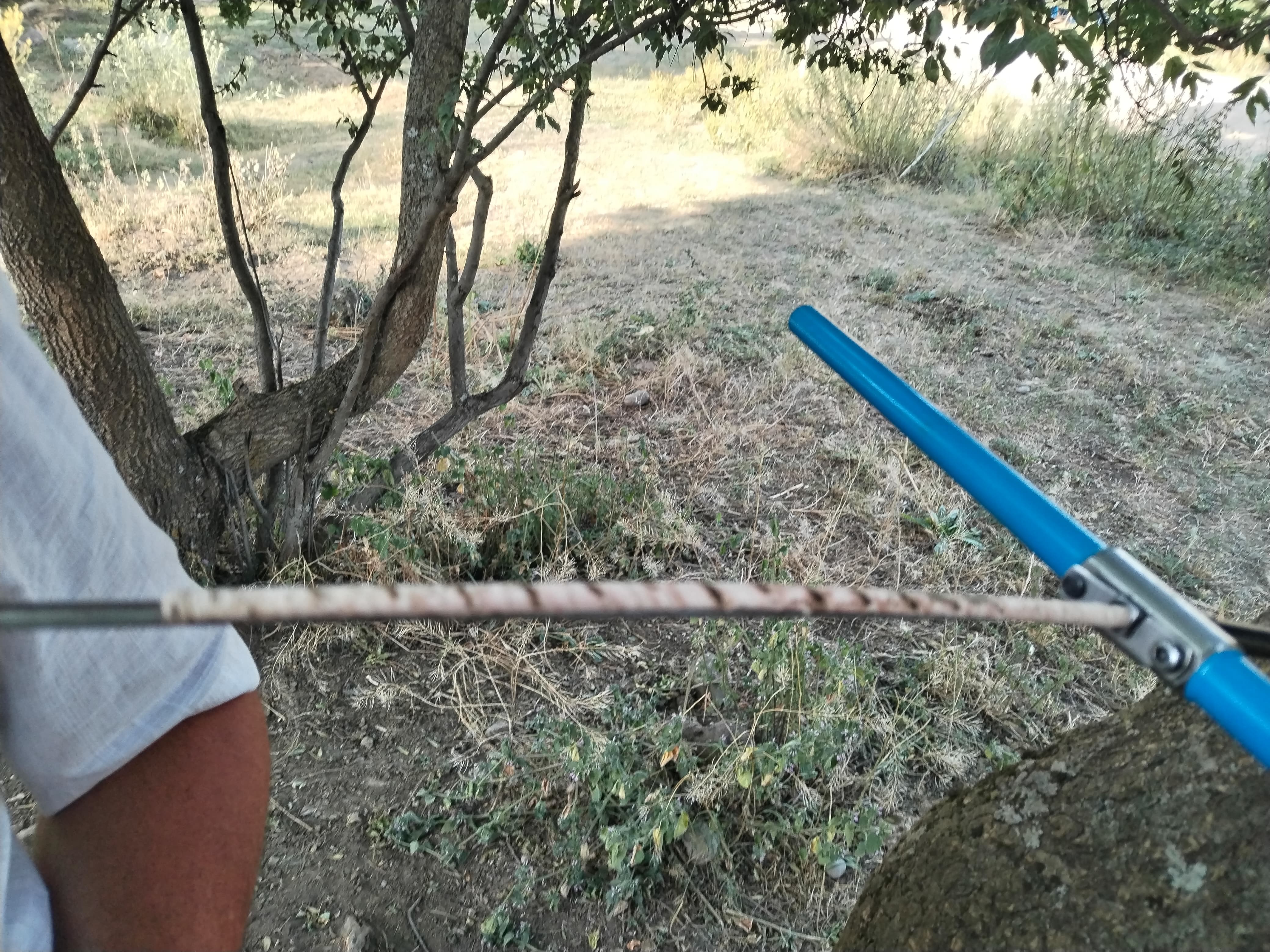
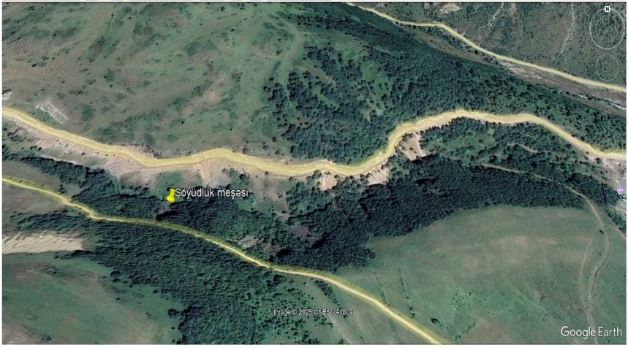
In the Aghbulag forestry territory, which is spread at an altitude of approximately 1,700 meters above sea level, work was carried out at points connected to the coordinates by taking samples of species that form dense forests around the river, as well as dominant species that are more dominant in other areas.
It should be noted that, according to statistical data from the 1960s, about 30 percent of the territory of the Lachin region of the East Zangezur economic region was covered with forest. Currently, the forest cover has become sparse for various reasons, mainly due to the occupation factor. It should be noted that the area was occupied by the Armenian armed forces from 1992 to 2020.
It was revealed from visual observations conducted by an employee of the “Dendrology Garden” public legal entity (PLE) that forest terror, such as fragmented forest debris, the destruction of special endemic species, and the formation of large glades in various valuable forest areas (observations were conducted along the road covering approximately 80 kilometers - ed.)
According to the observations, the agroforest established around the village of Bozdu in the Lachin region in the early 1900s has been completely destroyed.
The area where our colleague conducted the research began from the lower border of the subalpine meadows.
The subalpine meadows and the upper border of the forest in the Lachin region are actually used very seriously for animal husbandry.
The main goal of the research is to clarify the future impact of the anthropogenic factor on the forest cover of the pasture-grazing system in these areas, to monitor the extent to which the border of summer pastures and forests will be exposed to anthropogenic impact, to predict the impact of climate change and other factors, and to make recommendations for taking certain measures in this regard.
During the research, dendrochronological samples were taken from densely developed willow trees around the river located in the Aghbulag forest massif, aspen trees spreading at an altitude of 300 m above it, and plane-leaf maple trees.
In conclusion, we would like to note that special infrastructure projects are currently being implemented in these areas within the framework of the “Great Return to Karabakh” program.
The use of the areas as summer pastures by the population, as well as the fragmented settlement of people in various villages in connection with the return of people to their ancestral lands, will further increase the importance of future research in these areas.
At the same time, it will play a crucial role in the protection of forests spread in these areas, in the implementation of their monitoring, in studying the dynamics of the number of valuable species.