Scientific research on vegetative propagation of Camellia species was carried out in “Dendrology Garden”
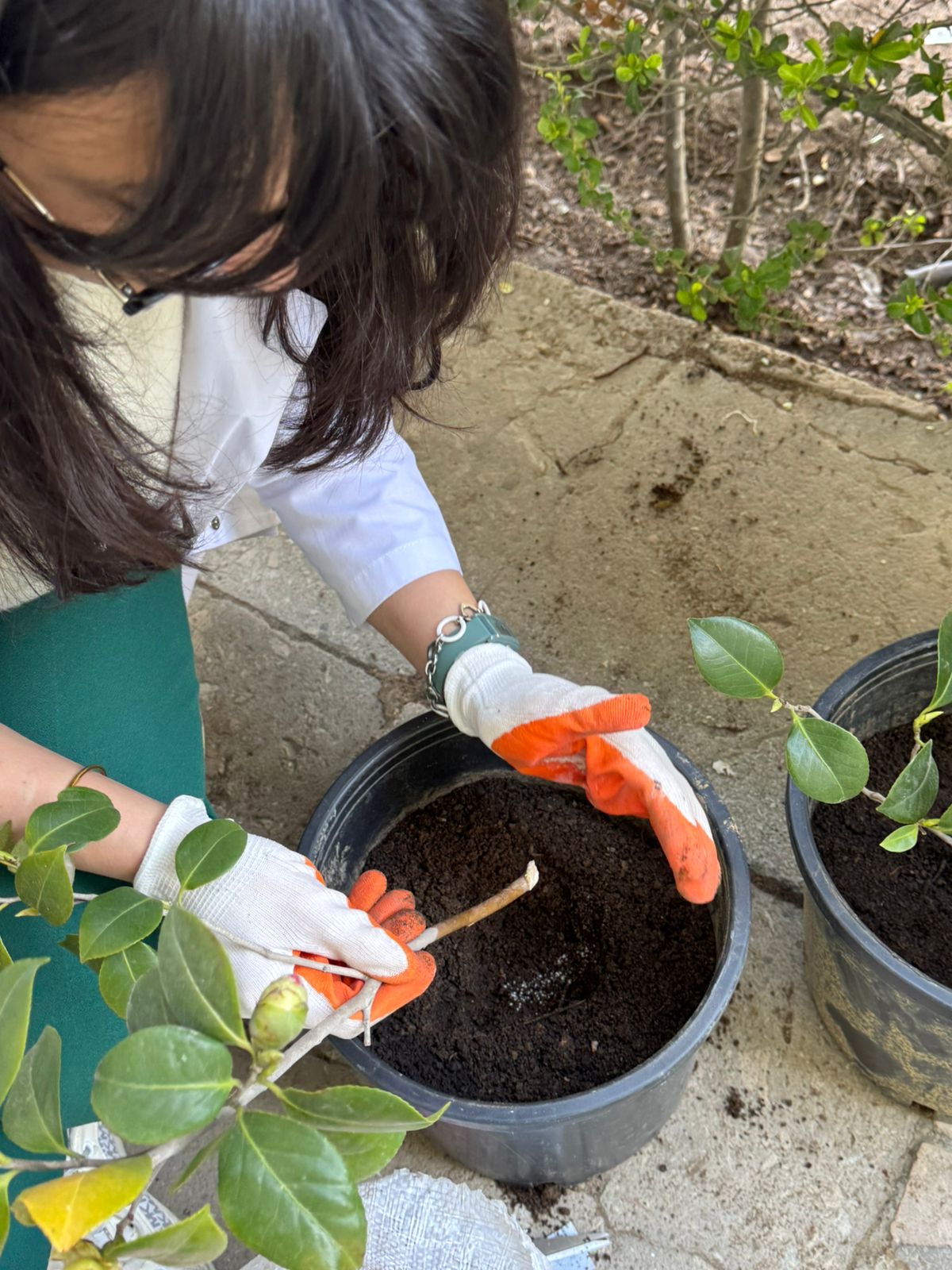
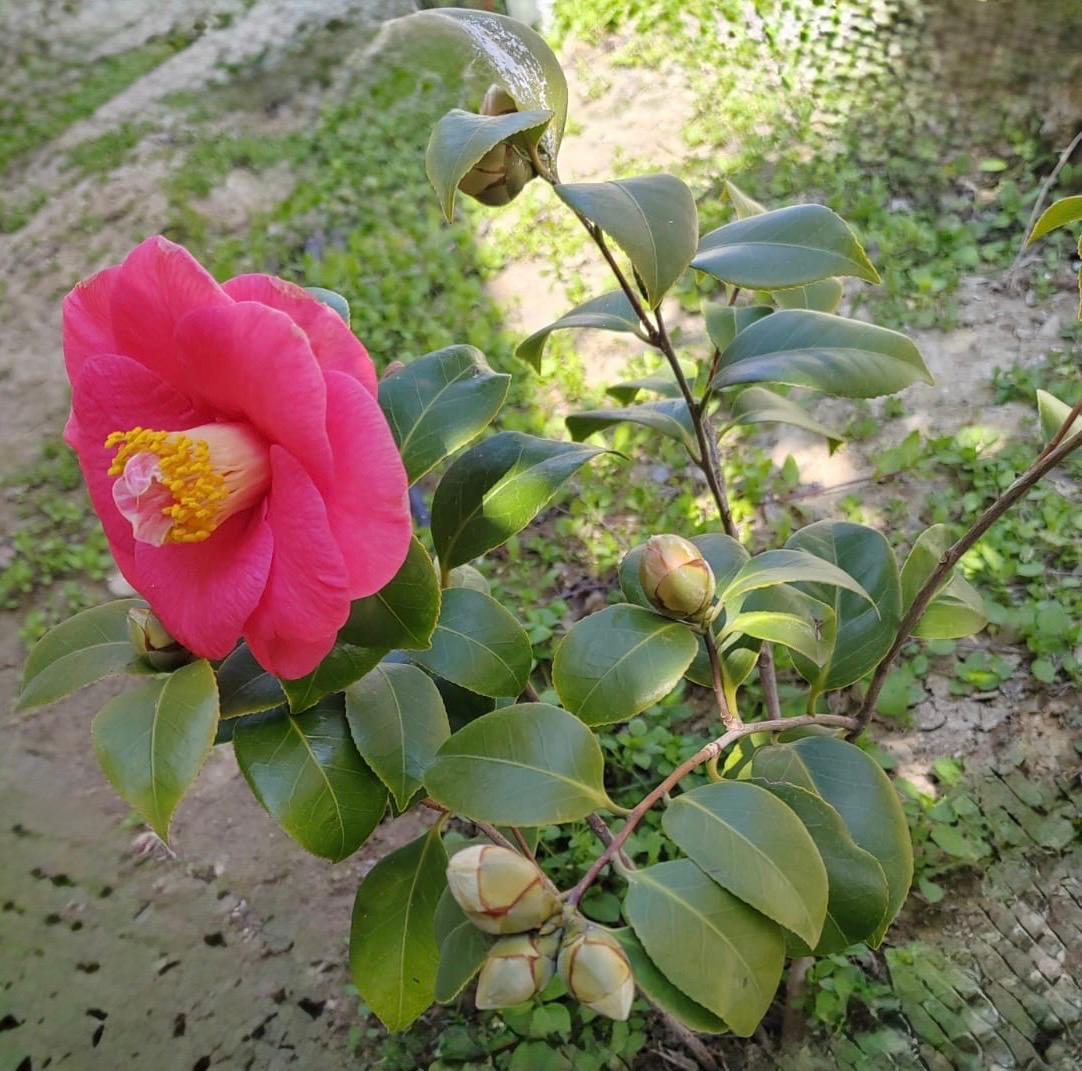
Research work was carried out by the staff of the Laboratory of the “Landscape Architecture and Systematics” to study the vegetative propagation and development dynamics of Camellia japonica Linnaeus and Camellia sasanqua Thunb. species, which are distinguished by their decorative properties.
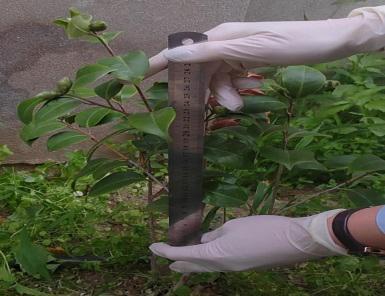
During the study, lignified cuttings of 10–12 cm in length from both species were used, planted in a mixture of peat, perlite and soil, and rooting was observed within 10–14 weeks.
A height increase of 17–20 cm was recorded in the cuttings within 6 months. As a consequence of the scientific research work conducted, it was found that in Absheron conditions, the Camellia sasanqua species develops stably, grows rapidly and is more resistant to climatic stresses.
Camellia japonica requires special microclimatic conditions. Due to these characteristics, C. sasanqua is considered more promising in urban greening.
During the research, the dynamic development phases of the species in Absheron conditions and their grouping in compositions were also investigated. It was determined that Camellia species, as evergreen plants, maintain their decorative appearance throughout the year, creating a continuous aesthetic background in parks and gardens, especially in winter, ensuring the integrity of the landscape.
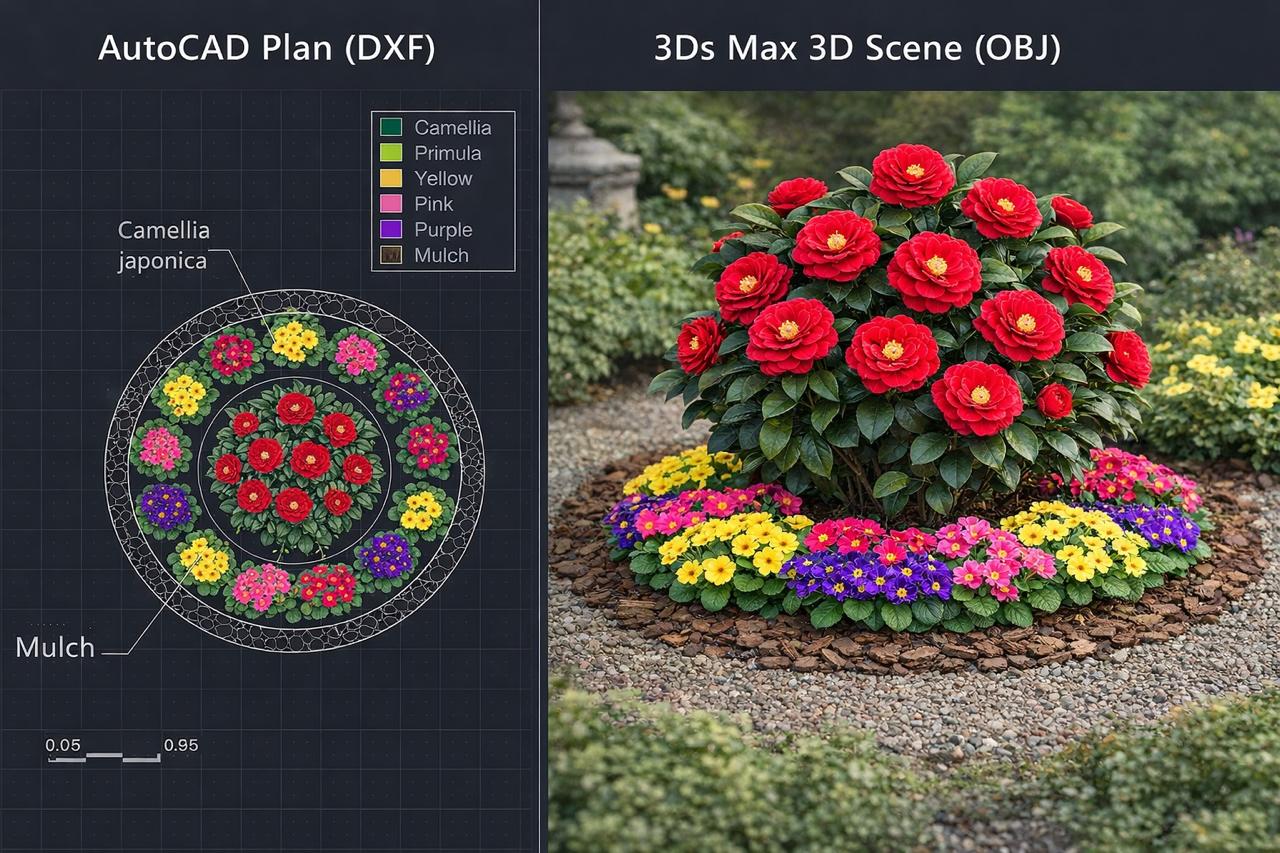
At the same time, in accordance with the principles of contemporary landscape architecture, a new decorative composition project was developed in the AutoCAD program. The project envisages the utilize of Camellia sasanqua as the central element, and Primula species as complementary plants.
The developed project is planned to be implemented in Dendrology Garden in the near future.