Carbon absorption capacity of greening utilized in Baku and Absheron landscaping determined
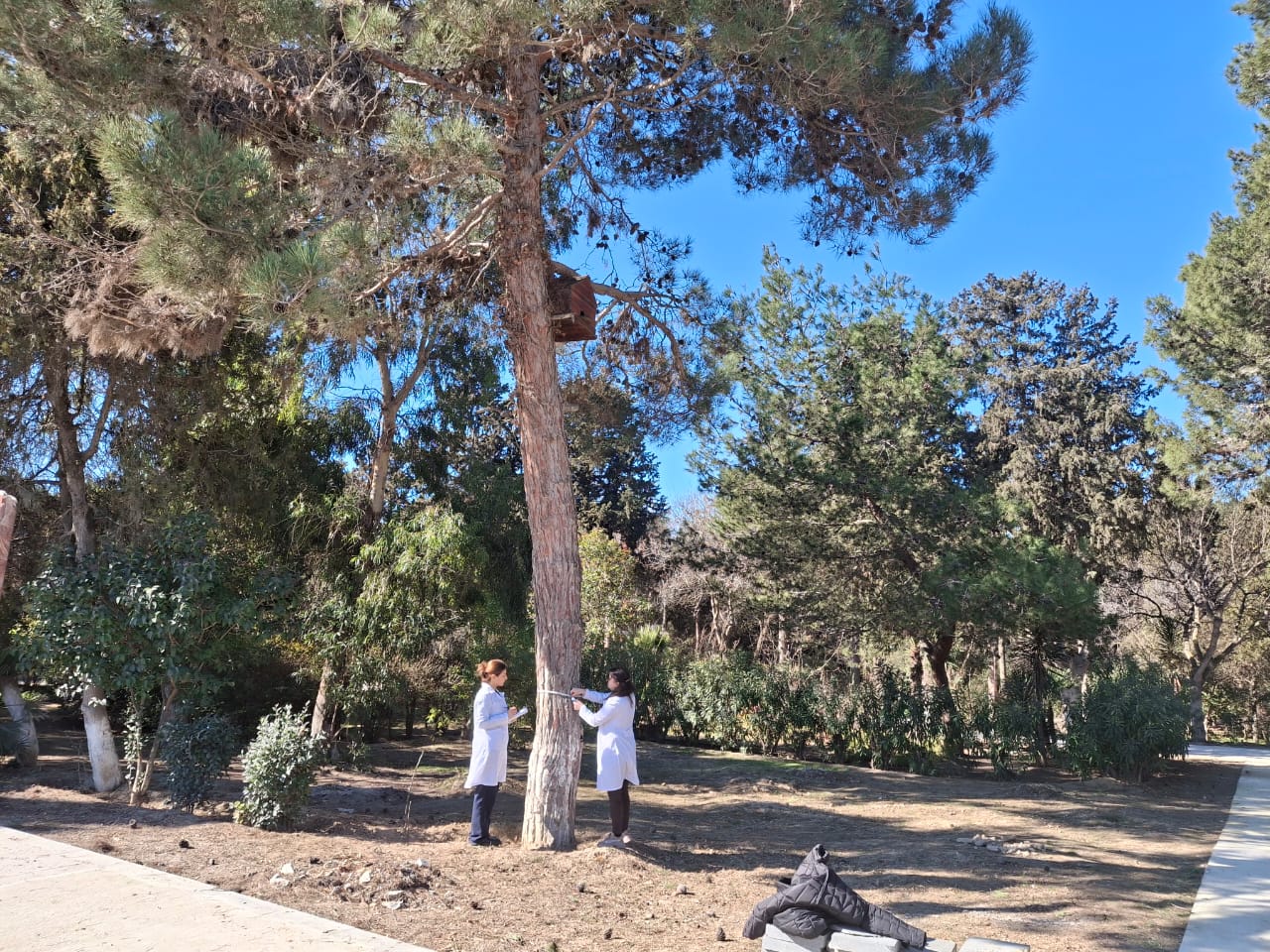
Staff from the "Dendrochronology" laboratory of "Dendrology Garden" Public Legal Entity (PLE) operating under the authority of the head of the Executive Power of Baku City have determined the carbon absorption potential of “Cupressus sempervirens” (Mediterranean cypress) and “Pinus eldarica”(Eldar pine). These species play a key role in the landscaping of Baku and the Absheron Peninsula, a study conducted within the framework of the "Year of Architecture and Urban Planning."
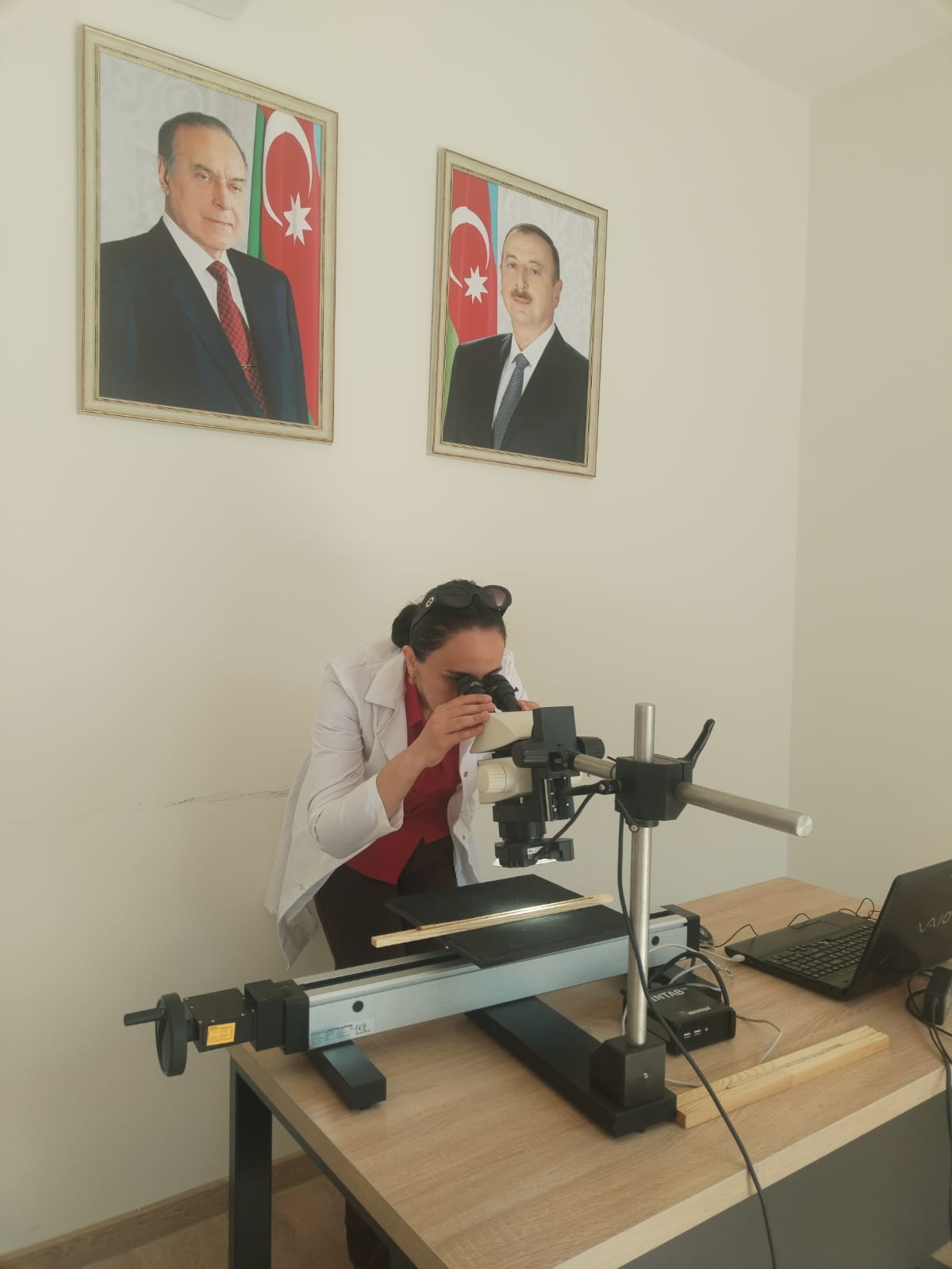
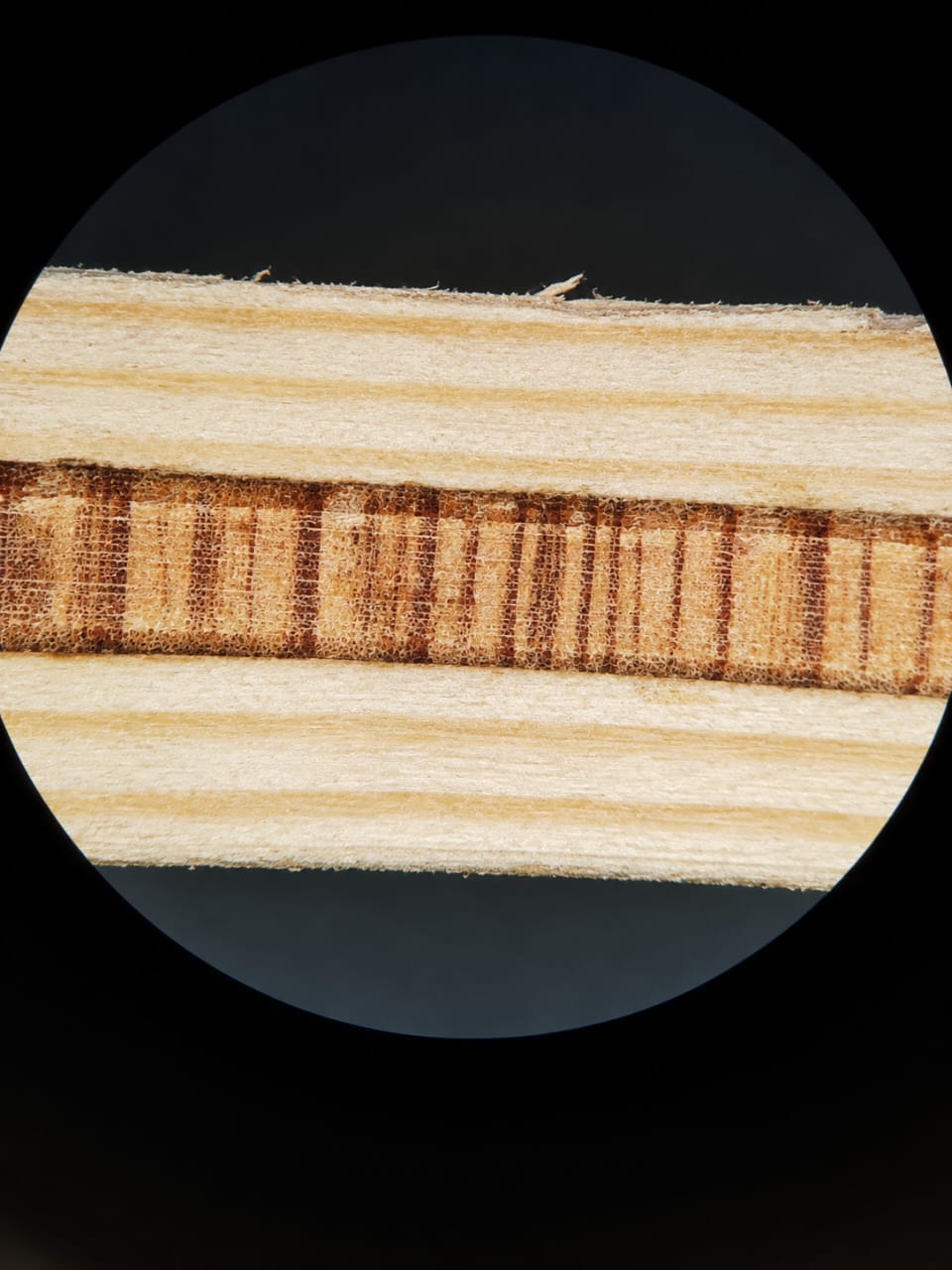
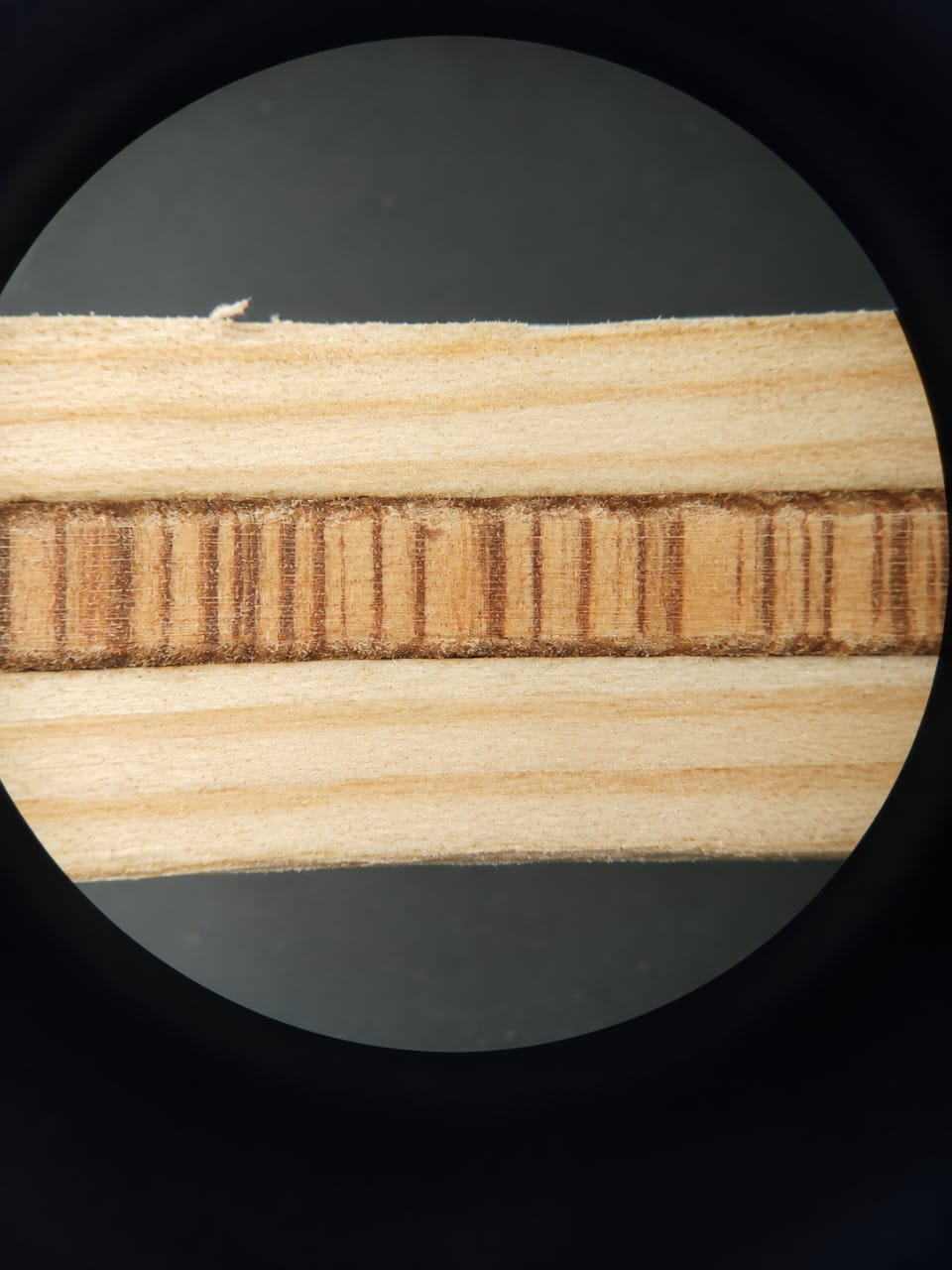
Using a LINTAB 6 binocular microscope and TSAP-Win software, the laboratory measured the width of annual growth rings at the micron level without cutting down the trees.
Key analysis results: “Pinus eldarica” accumulates biomass rapidly—forming wider annual rings during its youth and middle age—and absorbs maximum amounts of CO₂ from the atmosphere in a short period. “Cupressus sempervirens” exhibits more compact and regular annual ring growth.
This stability demonstrates that the tree maintains its carbon absorption function even under conditions of drought and strong urban winds, while storing carbon in its trunk for centuries.
Laboratory staff state that these annual ring features must be taken into account when establishing parks and designing landscapes to minimize urban carbon emissions and enhance carbon sequestration within urban ecosystems.