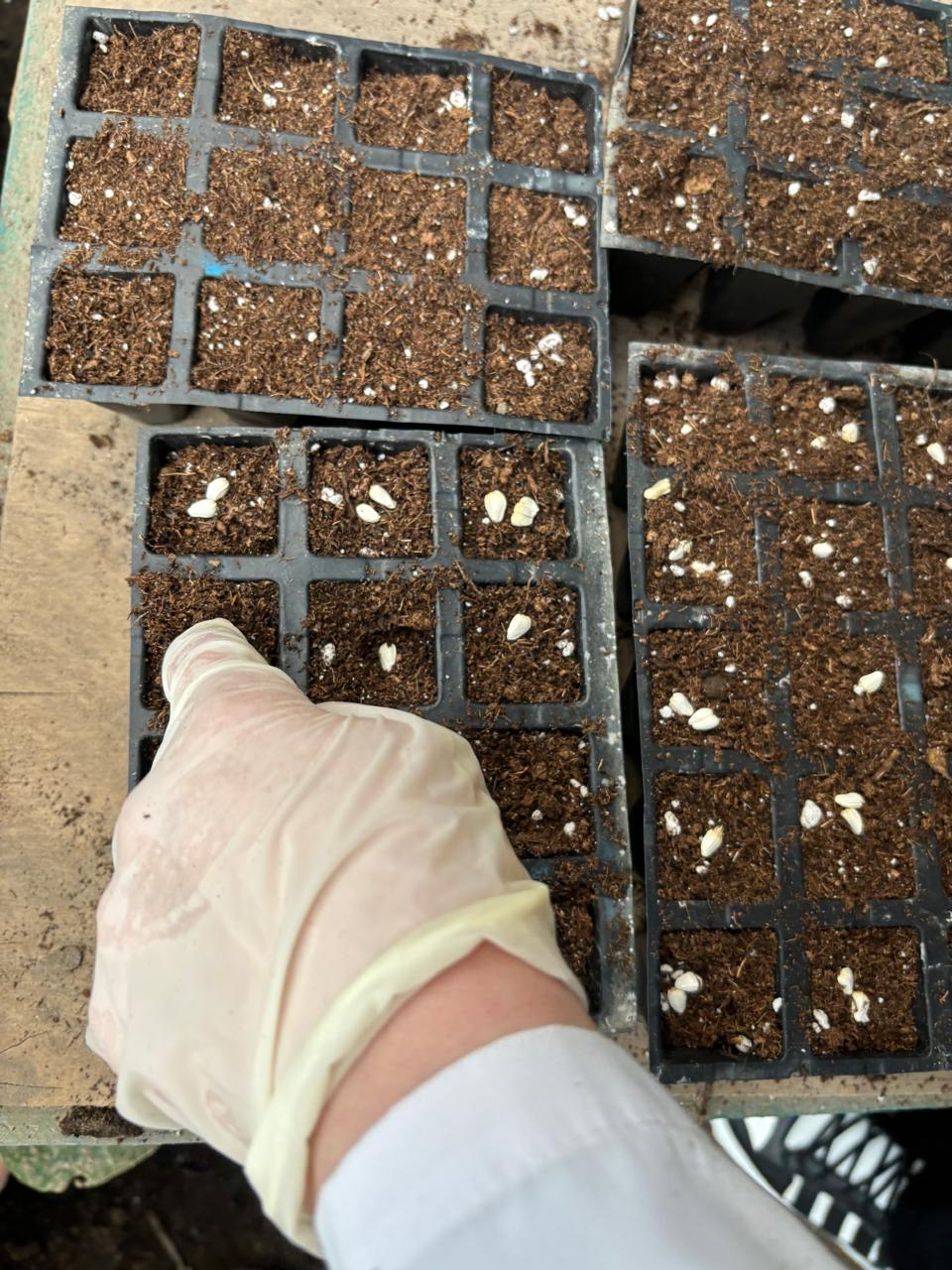
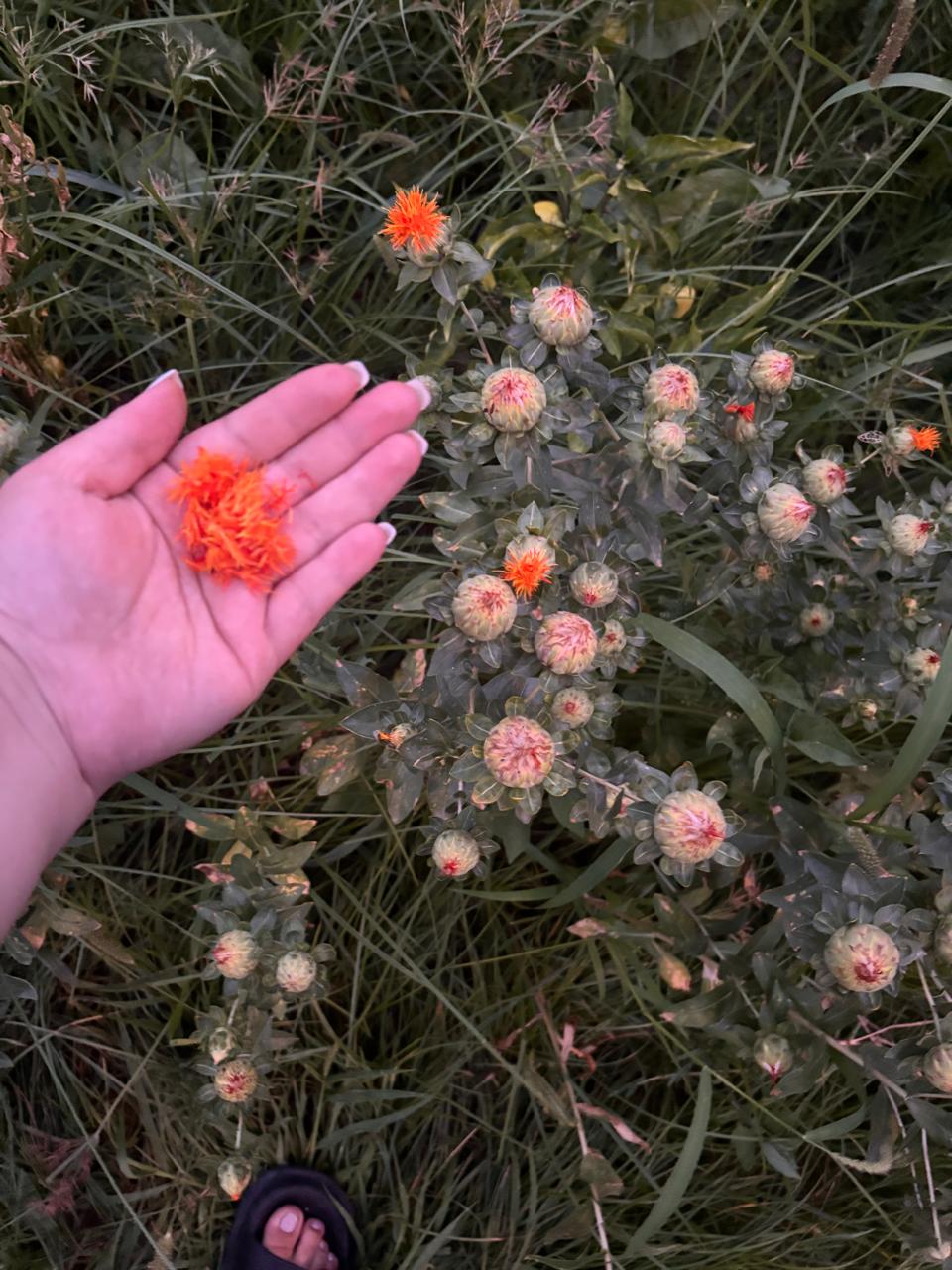
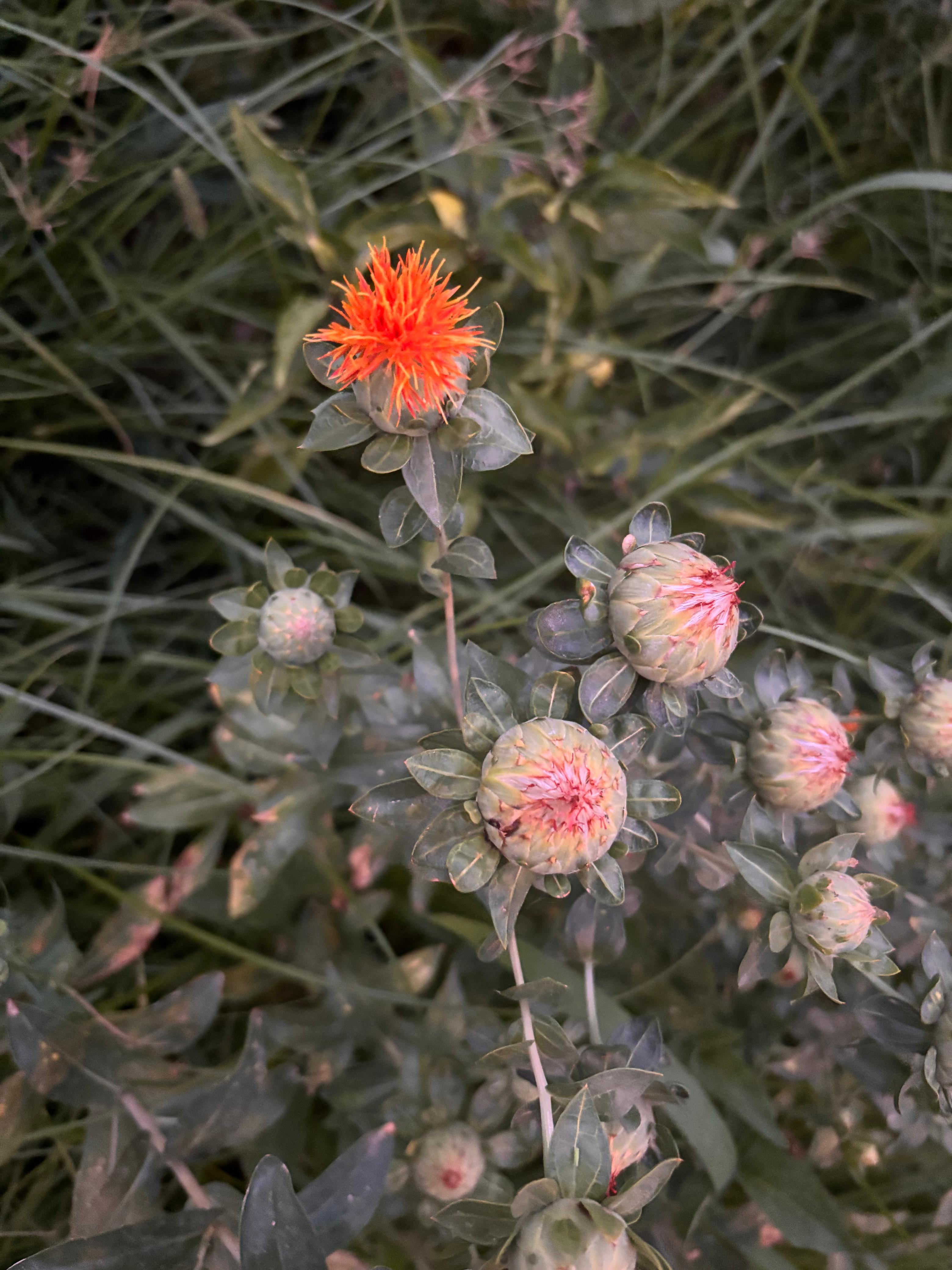
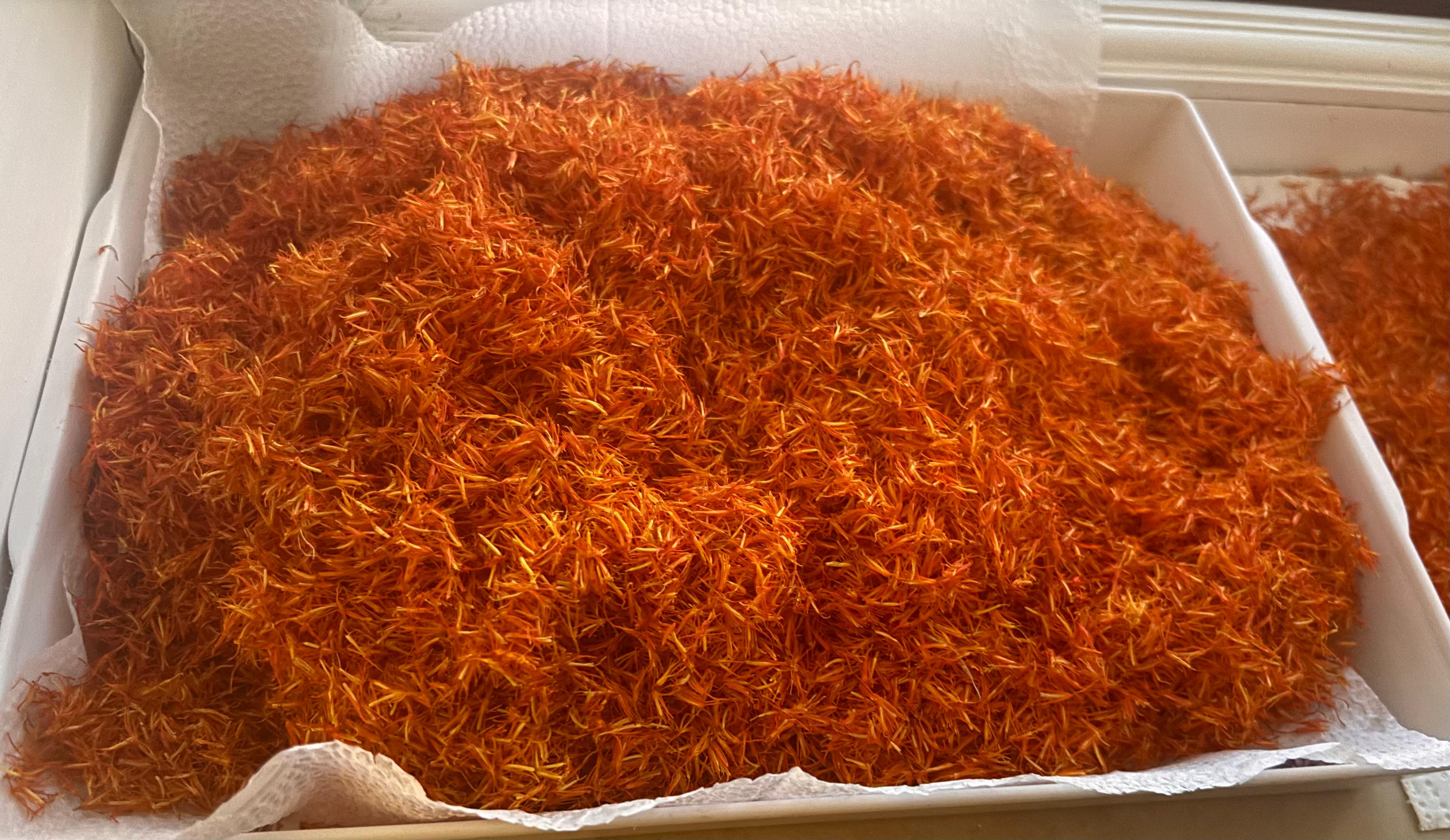
Seeds of “Carthamus tinctorius L.” have been introduced to the “Dendrology Garden”’s Research Area
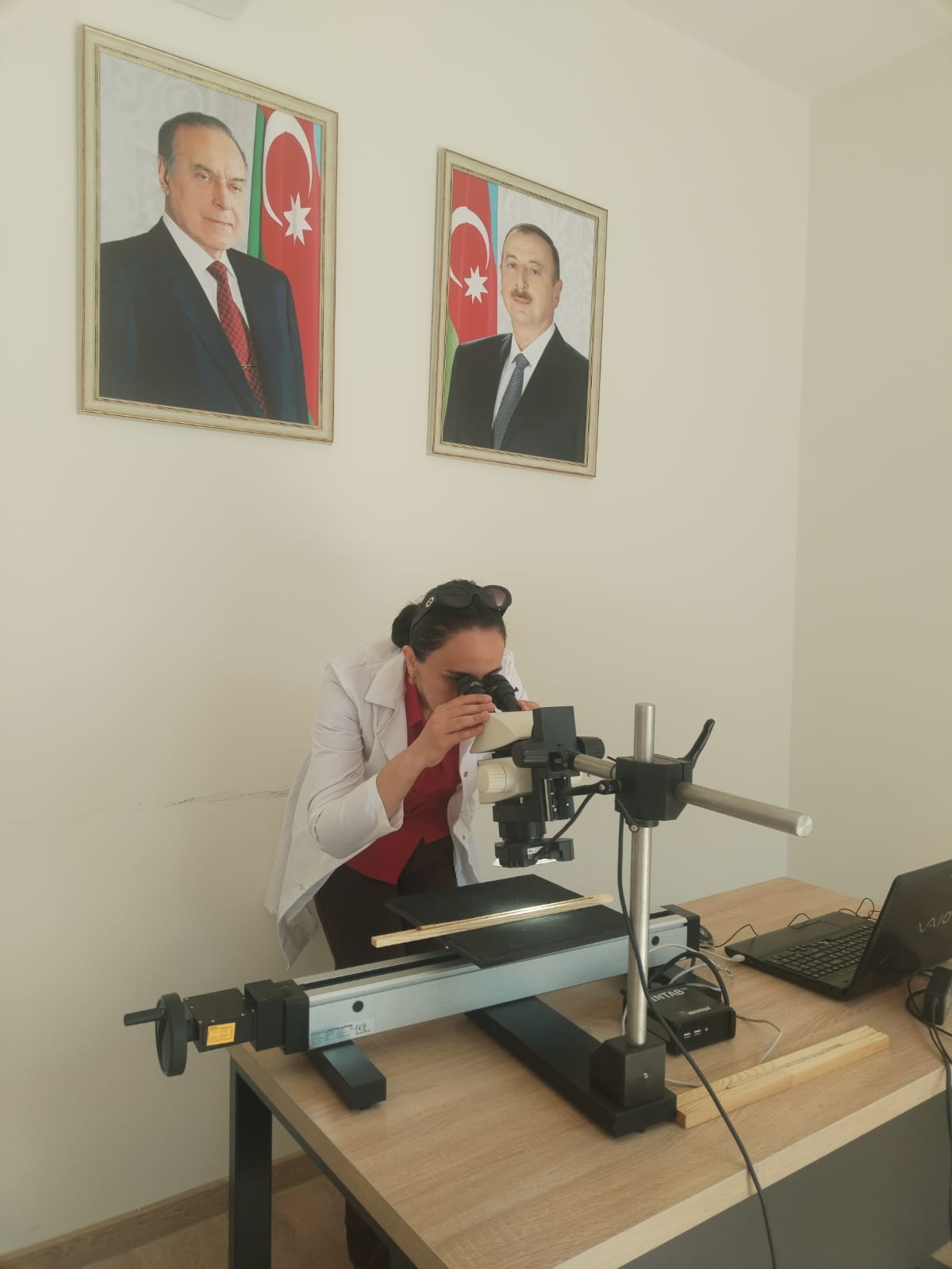
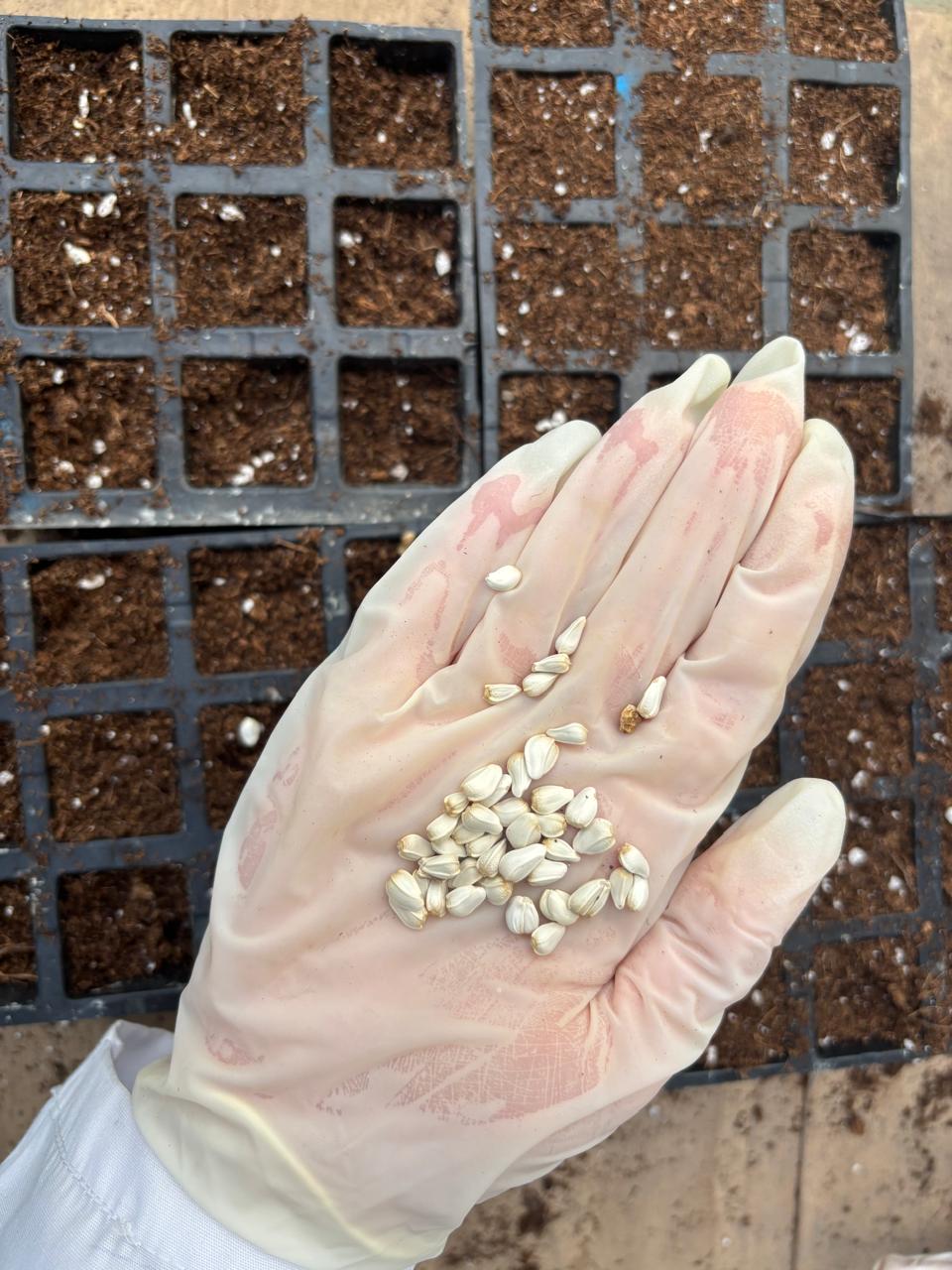
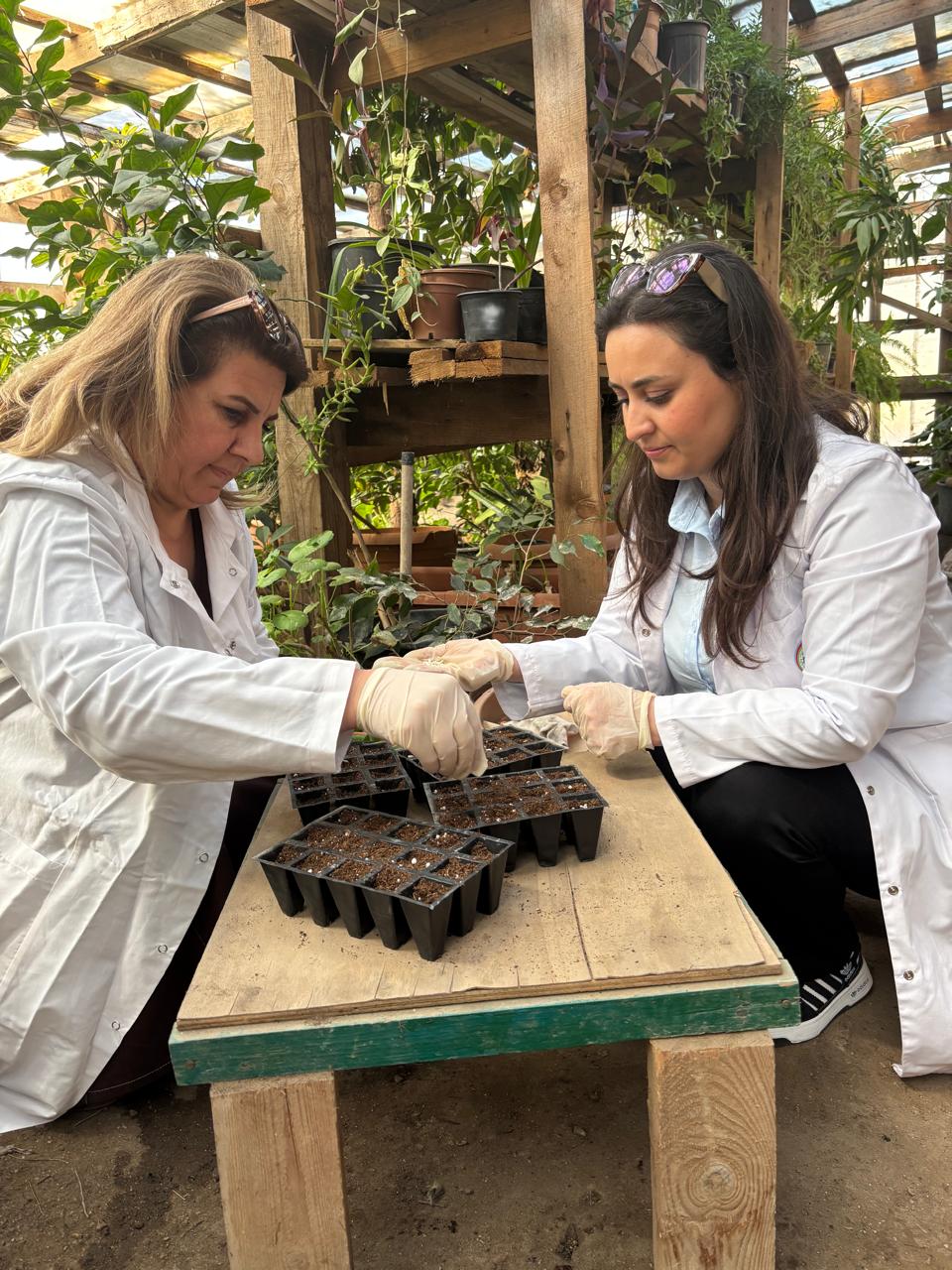
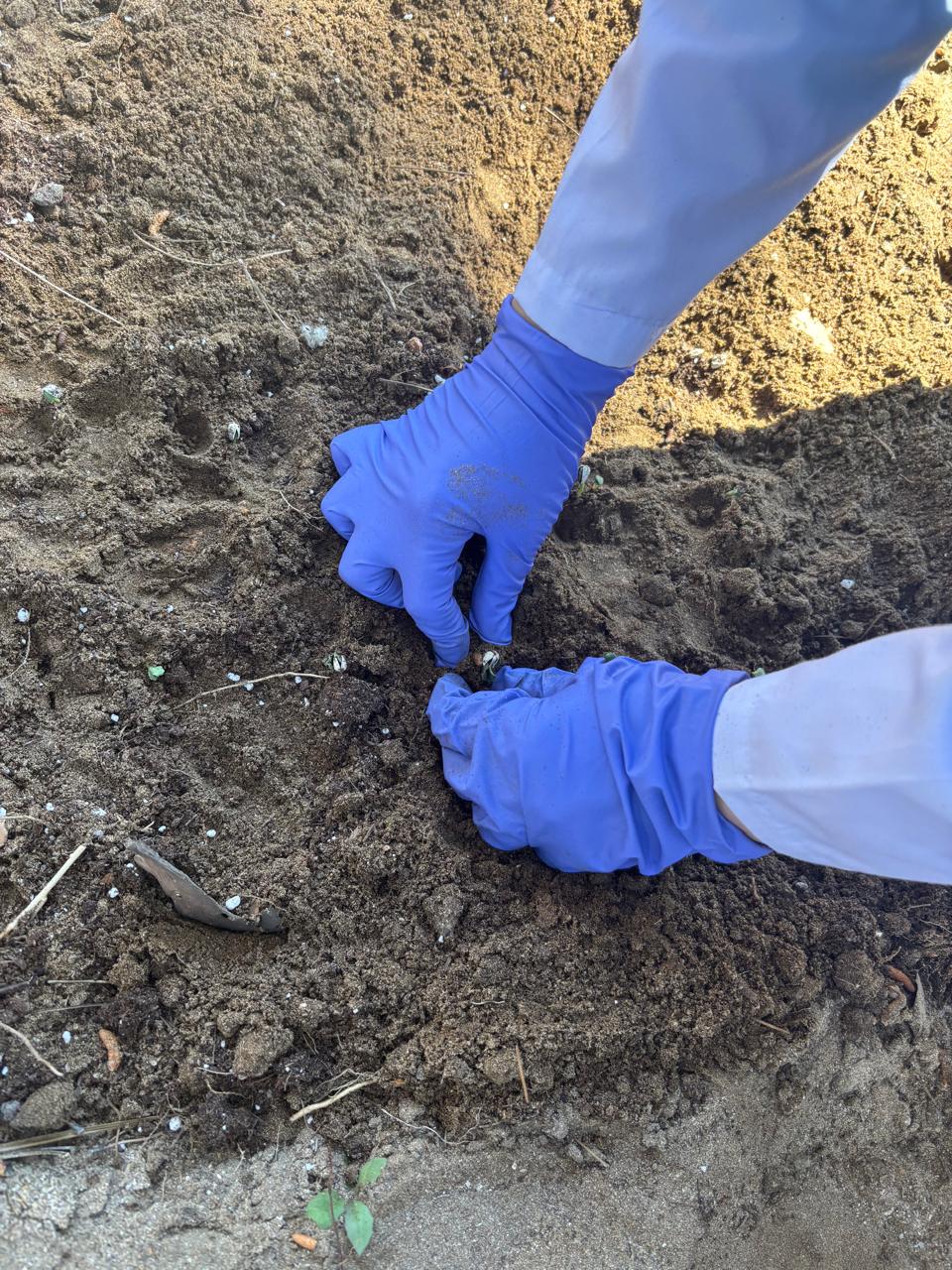
A new plant species has been introduced for study at Dendrology Garden. Seeds of “Carthamus tinctorius L.“ have been planted in garden's research area. Staff from the "Plants of Economically Importance" laboratory of the "Dendrology Garden" public legal entity under the authority of the head of Baku City Executive Power investigated the bio-ecological features of the seeds and planted them in a mixture of soil and manure, taking into account soil, water, and temperature conditions (temperature: 22°C; relative humidity: 73%).
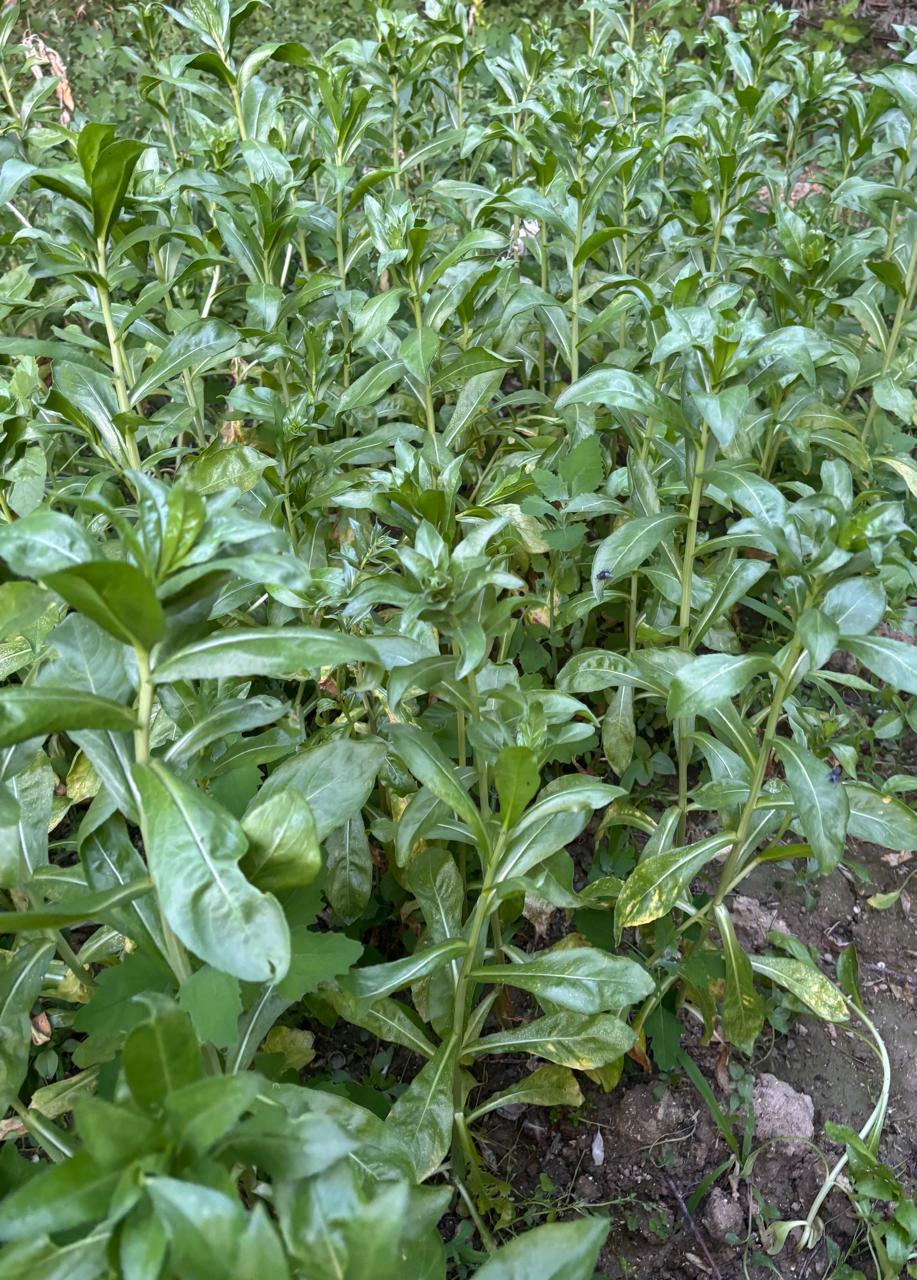
“Carthamus tinctorius” L. is known as safflower (fake saffran). It has long been used as a dye plant. Its flowers contain natural yellow and red pigments, including a red coloring agent called carthamin. Additionally, the essential oil derived from the plant is widely used in medicine. It is rich in linoleic acid—an essential fatty acid not synthesized by the human body—accounting for approximately 80% of its composition. Linoleic acid enhances the elasticity of blood vessels.
Saffran (Safflower) oil has a softening, strengthening, and nourishing effect on the skin; it normalizes cellular function, improves blood circulation, and possesses anti-inflammatory properties. The introduction of this plant sourced from Iran into the Dendrology Garden is of interest for studying its growth characteristics, flowering dynamics, ornamental qualities, and economic significance under local climatic conditions.
Distinguished by its yellow flowers, this plant contributes to enriching the Dendrology Garden's collection and facilitates the study of various plant species under introduction conditions.
Future plans also include extracting essential oil from the plant and analyzing its chemical composition.